

-
Easy to Moderate
-
2-15
-
You can cancel up to 24 hours in advance of the experience for a full refund.
-
Private and personalised Cape Town tour
Overview
Highlights
- Private and personalized Cape Town tour
- Tour route can be adapted to suit your interests
- Avoid long ticket lines: Table Mountain admission is included
- Lots of great photo stops—including the Cape of Good Hope
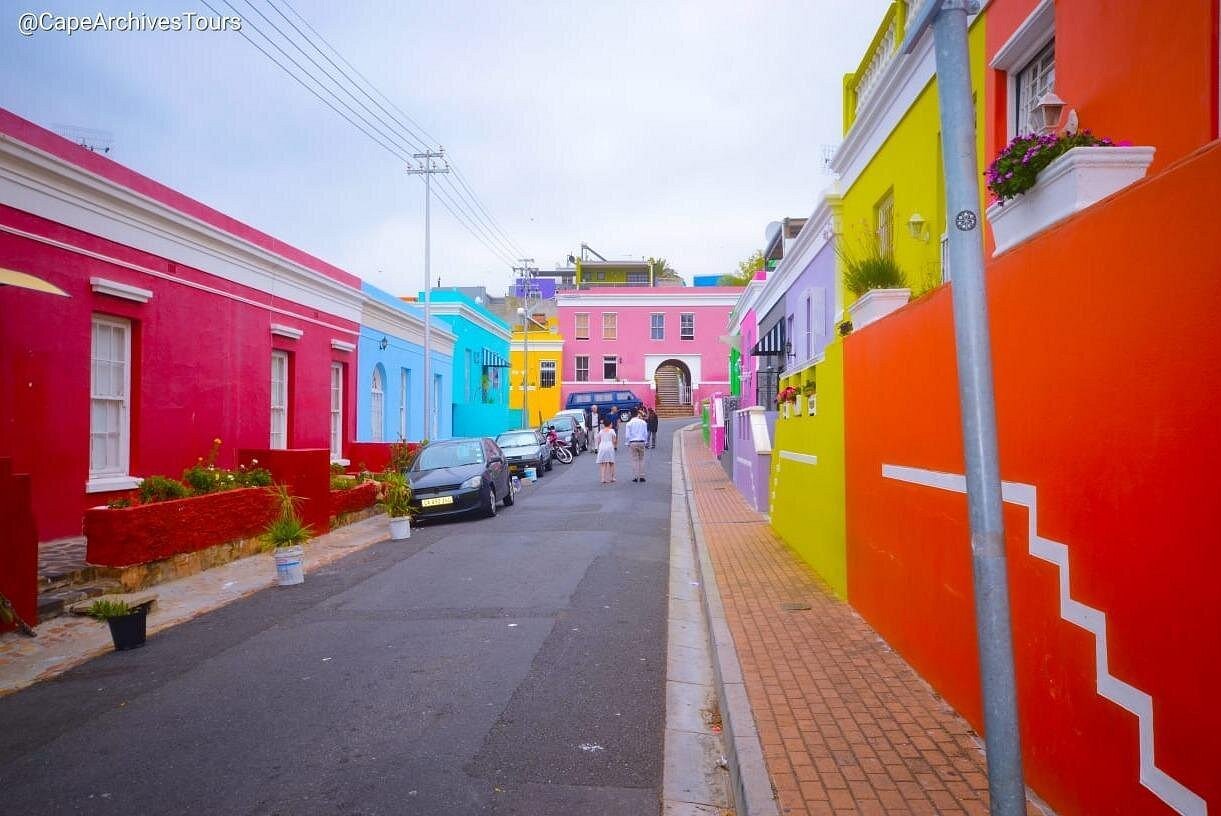
Bo-kaap is one of the oldest neighborhoods in Cape town. Flanked by the City of Cape Town to the West and the signal hill to the East, it is a neighborhood that is considered to be one of the first permanent homes to the released slaves of the Cape in the mid 1800s. The brightly colored Cape Georgian houses that are found here attracts visitors on a daily basis and your guide will be glad to tell you all the stories about them and also the history of the Bokaap and its people. Your tour will head West towards the coast after you have taken pictures and learnt of the history and culture of the Bo-kaap.
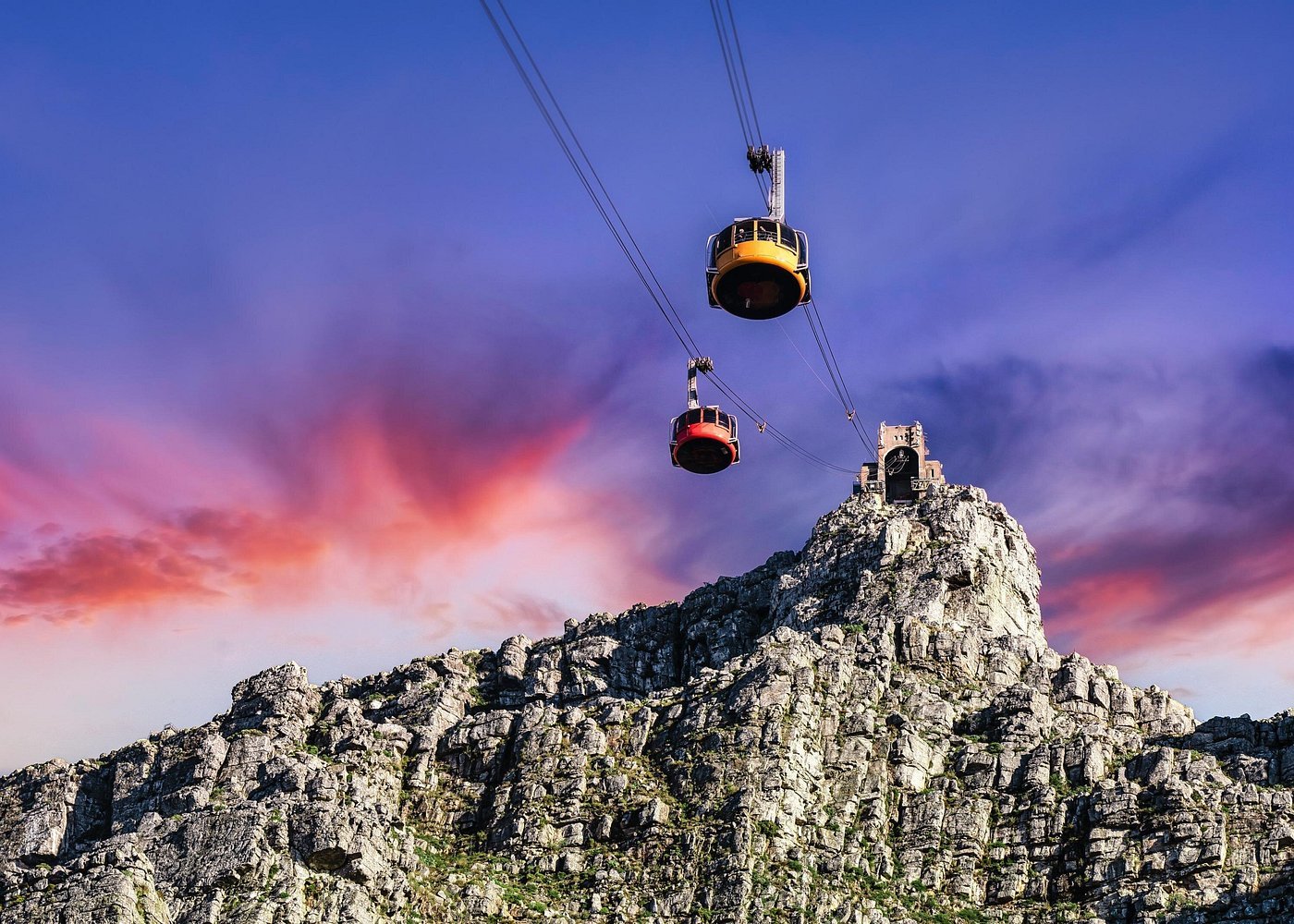
Towering over a kilometer above sea level, Table Mountain is a stunning work of nature that attracts millions of visitors from all over the world every year. A cable car runs frequently from the lower cable stations to the summit of the mountain where stunning views of the City of Cape Town, Robben Island and the Atlantic Ocean can be viewed from. Your guide will escort you on the tour of Table Mountain and give you facts about the formation of the mountain, the flora, fauna and also help take pictures of you.
KINDLY NOTE THAT THE TABLE MOUNTAIN CABLE CAR IS OPEN SUBJECT TO CONDUCIVE WEATHER. IN THE EVENT THAT TABLE MOUNTAIN IS CLOSED DUE TO BAD WEATHER, YOU HAVE AN OPTION TO KEEP THE TICKETS FOR ANOTHER DAY OR REQUEST A REFUND FOR THE TABLE MOUNTAIN TICKETS.
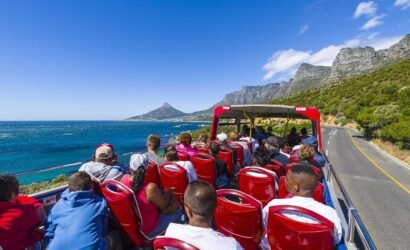
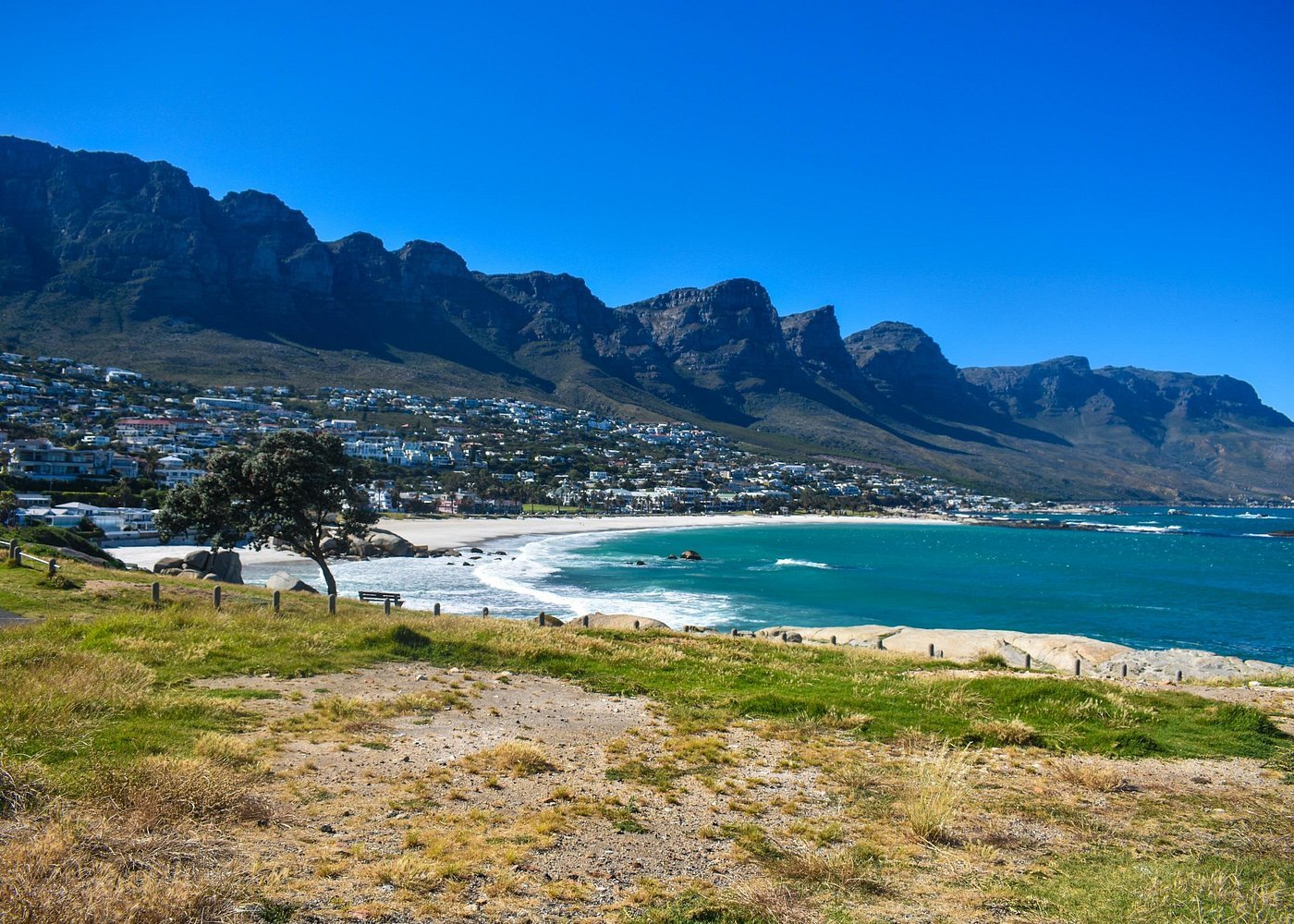
Nestled between the famous Twelve apostles mountain range and a pristine granitic white sandy beach is Camps Bay suburb A.K.A the Beverly hills of Cape Town! This is an area that is primarily well known for its wealth in real estate, but it is the wonders of nature that our tour will stop here for. Your guide will point out to you some of Cape town's most famous landmarks such as the Twelve apostles, lion's head and Table Mountain. The tour will continue Southerly after you have taken pictures of Camps Bay.
Hout Bay is affectionately known as "The Republic of Hout Bay due to it being isolated from all the other towns by mountains and the Atlantic Ocean. Named after an indigenous forest that once thrived here, the town today boasts of having one of Cape Town's busiest fishing harbors, world class sea food restaurant and an array of tourist activities.
After having explored Hout Bay. Our journey will continue further down south via the world-famous Chapman's peak drive. A state-of-the-art mountain side road! Many photo opportunities will be offered as you wind in and out of the Chapman's peak drive enjoying some of Cape Town's most scenic views. DISCLAIMER: The Chapman's peak drive is open subject to conducive weather conditions.
Cape point Ostrich farm is situated 100 meters short of the Cape point national park gate main entrance. Ostriches on the farm can be viewed from the roadside. However, should you fancy having a much closer encounter with the ostriches, your guide will gladly drive you inside the farm where you may view ostriches from close range, take pictures and also feed them.
Cape point national park is 7700 in area and is home to the world's richest floral Kingdom. Over 2000 different plant species of the Cape floral kingdom grows here naturally and with 70% of them being endemic to this area. Wildlife such as Antelopes, Ostriches, birds, Zebras and Baboons also call this place home. Your guide will drive you around the park, telling you interesting stories about the early explorers, flora and also making stops for you to take pictures. WARNING: Keep your windows closed to keep baboons out when you are inside the vehicle. Keep a distance from baboons when you are outside the vehicle. The feeding of baboons is strictly prohibited.
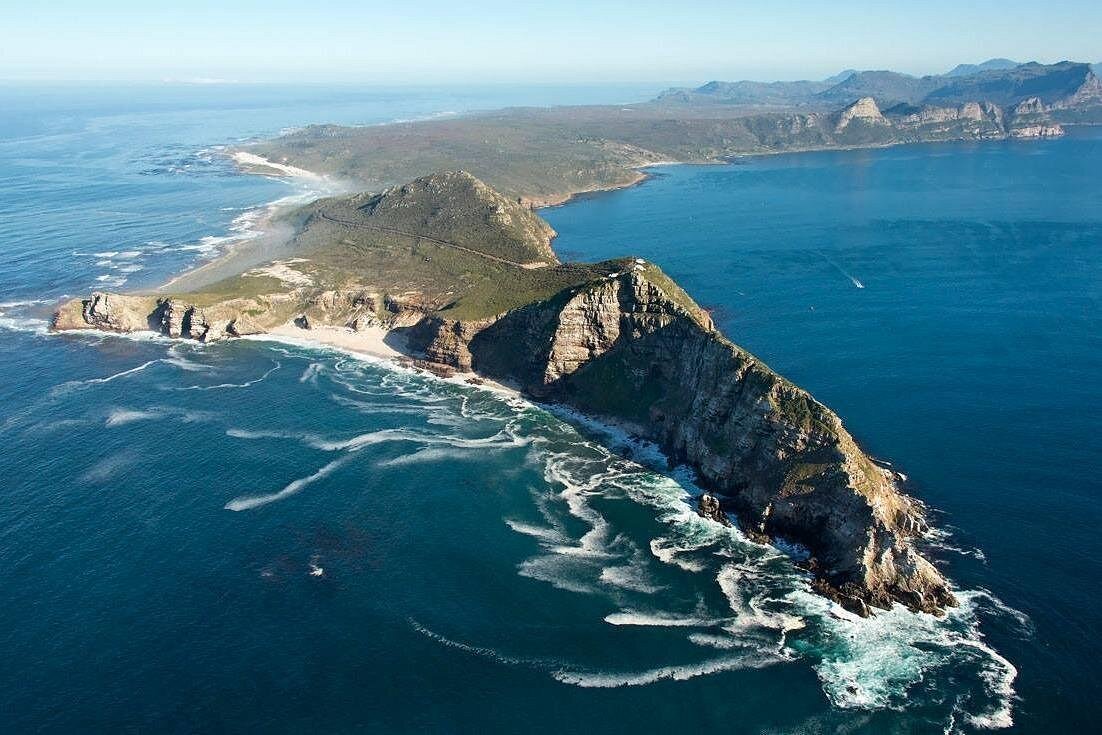
Sitting at Cape point peak and towering over 400 meters above sea level is the unused Cape point lighthouse. It is also the 3rd oldest lighthouse and graciously attracts hikers from Cape point car park on a daily basis. The views from the Cape point Lighthouse are some of the bests in and out of Cape town and should hiking not be for you, you may access the lighthouse by a funicular at extra cost.
The Cape of good hope is the most Southwestern corner of the African continent. The Atlantic and the Indian oceans currents shares common grounds here. The cape of good hope waters is also known to boast of the most diverse marine life in the world. You will have an opportunity to do some walking or even hiking. A big sign welcoming you to this famous and important landmark in maritime history is popular with visitors who queue up every day to take a picture with the sign.
Simon's town was named after a governor of the same name, Simon Van Der Stel who founded this town in the late 1600s as a lee shore in the winter months. Today, Simon's town largely operates as Navy port town and is also easily identifiable by its Victorian buildings lining up along the main road. The town also boast of some of Cape Town's best and freshest sea food restaurants, Boulders beach as well as coffee and ice creams on a sunny day. You may choose to have lunch here at a restaurant of your choosing.
Boulders beach is home to the endangered African penguin. It is also one of the only two mainland penguin colonies in South Africa. A boardwalk was constructed here to prevent too much violation of the penguin's peace so as to slow down the African penguin's extinction rate and also give visitors a chance to see safely see the penguins from close range and take pictures. NOTICE: Touching or feeding of penguins is not allowed.
Kalk bay meaning Limestone bay in a local language is an affluent fishing town resting between the false bay and the mountains of the Cape peninsular. Voted by Forbes magazine as one of the 12 coolest places to live in the world. Restaurants, theaters, shops and Art galleries makes this town the most vibrant town on the southern peninsular suburbs of Cape town.
Cost
The Cost Includes
- Table Mountain entry tickets Cape Point National Park access Air‑conditioned vehicle & bottled water Boulders Beach penguin colony visit Chapman's Peak toll fee Private transportation (if option selected)
The Cost Excludes
- Lunch
- Gratuities
Map
Additional Info
- Confirmation will be received at time of booking
- Not wheelchair accessible
- Near public transportation
- Most travelers can participate
- This is a private tour/activity. Only your group will participate
FAQs
Annapurna Base Camp is a Grade B or a moderately difficult trekking route. So any fit person can do this trek, even if you do not have any previous experience. You should be aware of what to expect and mentally prepare for it. Then, as long as you will too, you can.
On average, you walk about 4 to 6 hours per day. One or two days can be as less as 3hrs and one or two days can be as long as 7hrs.
The highest altitude reached is 4190m. This is the elevation of Annapurna Base Camp. ABC is the highest we will climb in this trek.
Yes, you can charge batteries en route. Charger should be brought. There are hot shower facilities as well. You may have to pay a certain amount for both ($1-$2). Negotiate. Also, a hot water facility could be free at a lower elevation.
No. There are no ATMs on this trek route. You will have to draw enough cash in Pokhara or Kathmandu. There are a number of ATMs in these cities. Everything is paid in Nepali rupees. So money should be exchanged before the start of the trek.
Yes. The Internet can be accessed in most places. Sometimes, there might be some technical problems. The Internet in Nepal is not as fast as you are used to and at times you can just lose connection.
Not really. It depends on you. If you want, ABC trekking can be done independently. You could hire a guide and a porter by yourself instead of going through an agency or not hire a guide at all. Although, not having a guide can be a little problematic during the offseason.
It really depends on you. Is it your first time in Nepal? How confident are you of being able to find your way around? How pressed on time are you? If you go through an agency, it will be costlier but everything will be planned. You will only have to come, trek and return.
For the Annapurna region, pay for guides range from $20 to $30 per day and porters take $15 to $25 per day.